Blog
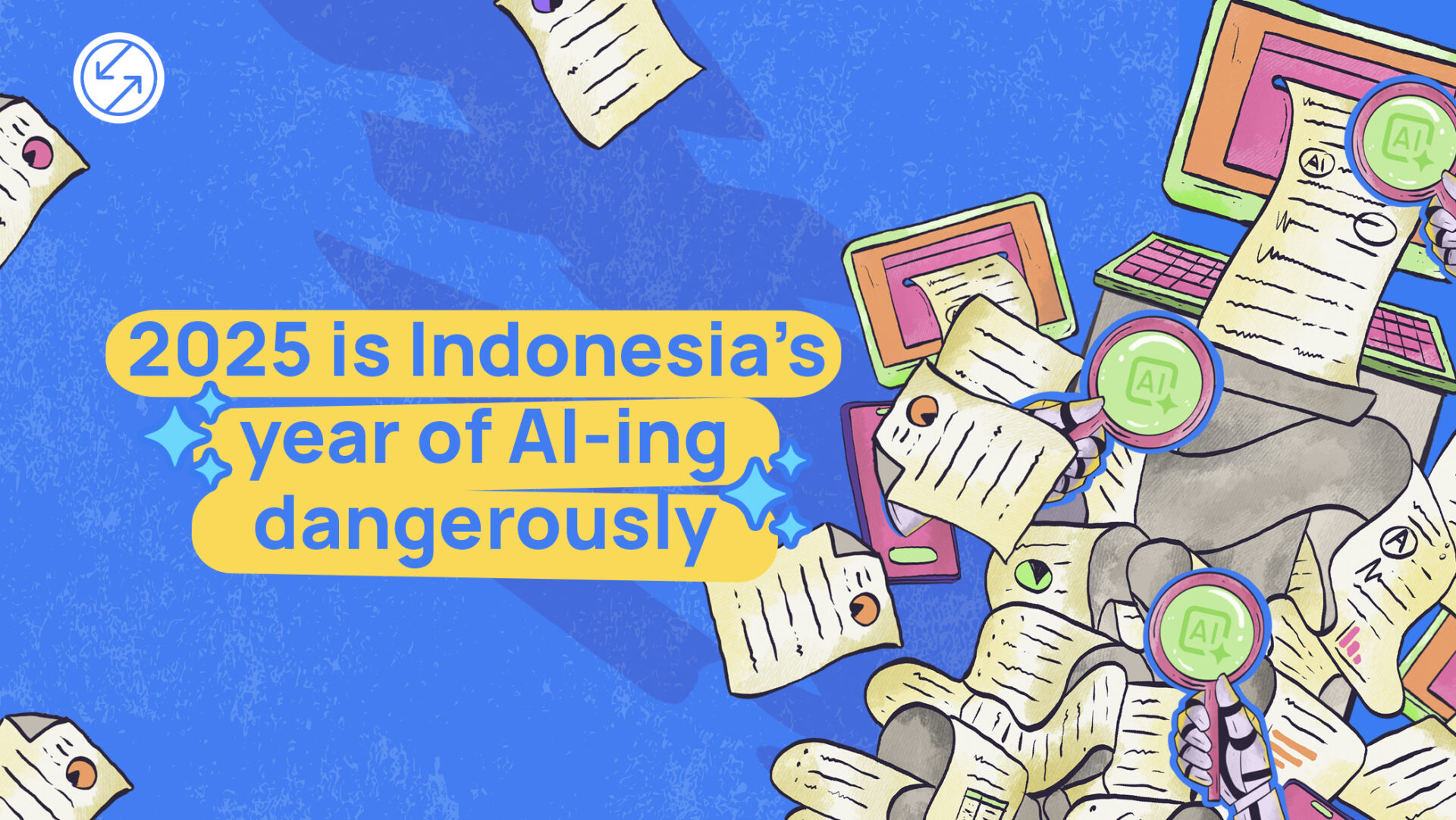
EngageMedia reports the latest media monitoring findings from 2025, covering 74 cases of AI and emerging technology-related incidents. It documents a significant rise in AI incidents across small to disaster-scale categories, nearly quadrupling from 2022 to 2024. The report highlights incidents affecting the environment, civil liberties, and businesses.
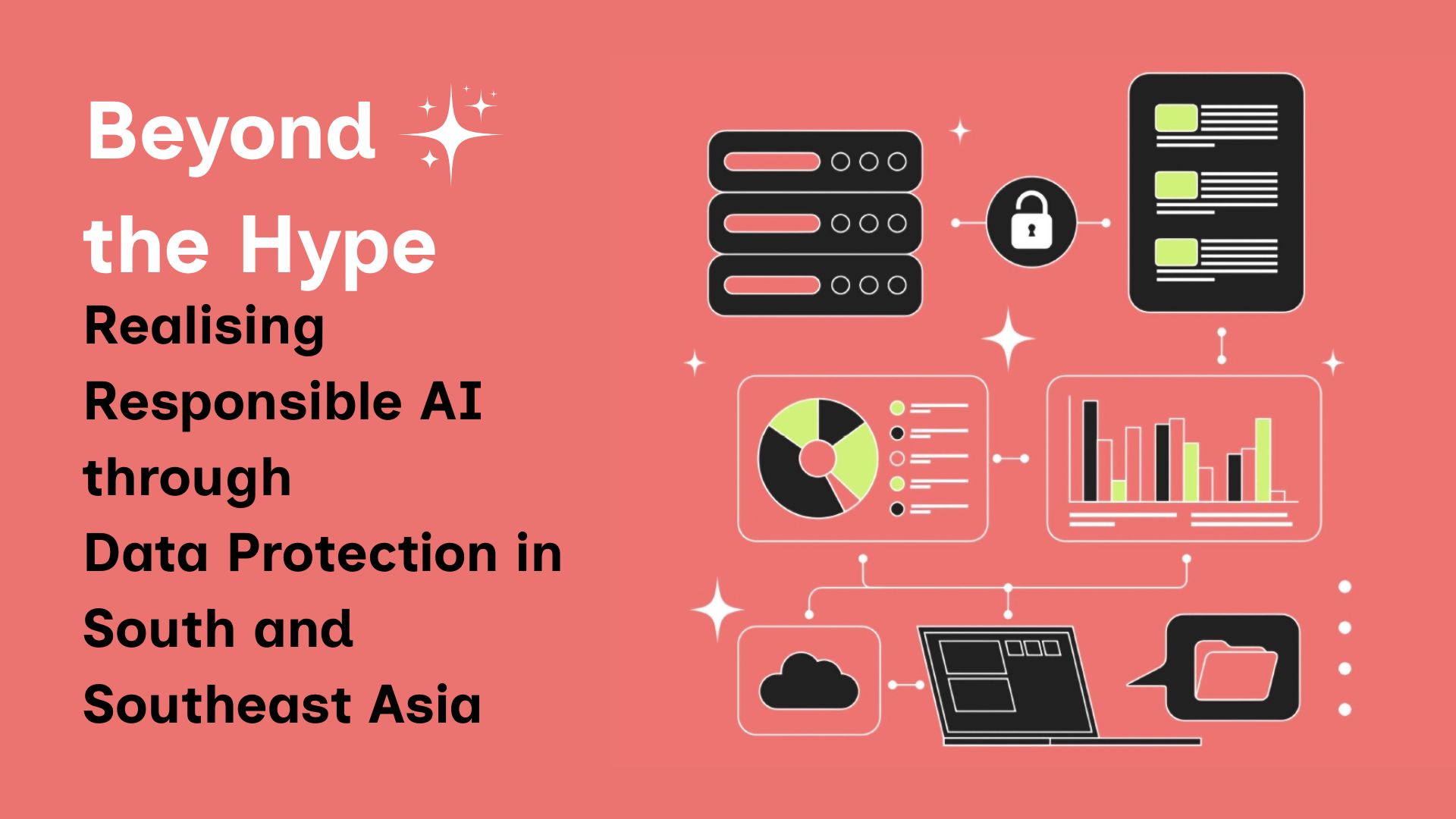
This report analyses the tensions in the implementation of Personal Data Protection in the adoption of AI systems and considers the societal impacts of AI, as it relates to data protection and privacy concerns.
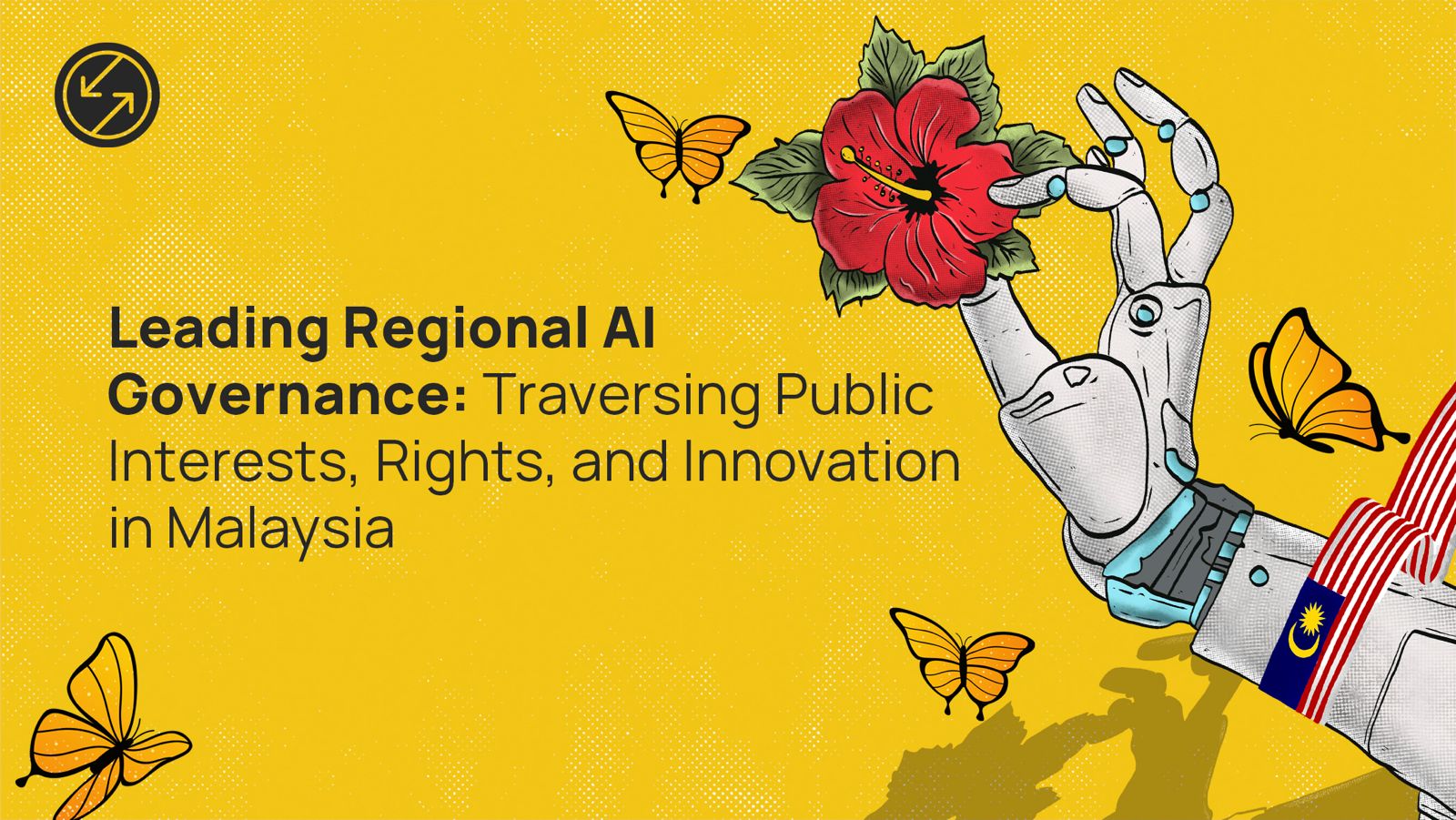
The dialogue, held as part of DRAPAC25, highlighted AI governance initiatives in Indonesia and Malaysia and civil society recommendations to safeguard public interest in the use of AI systems.
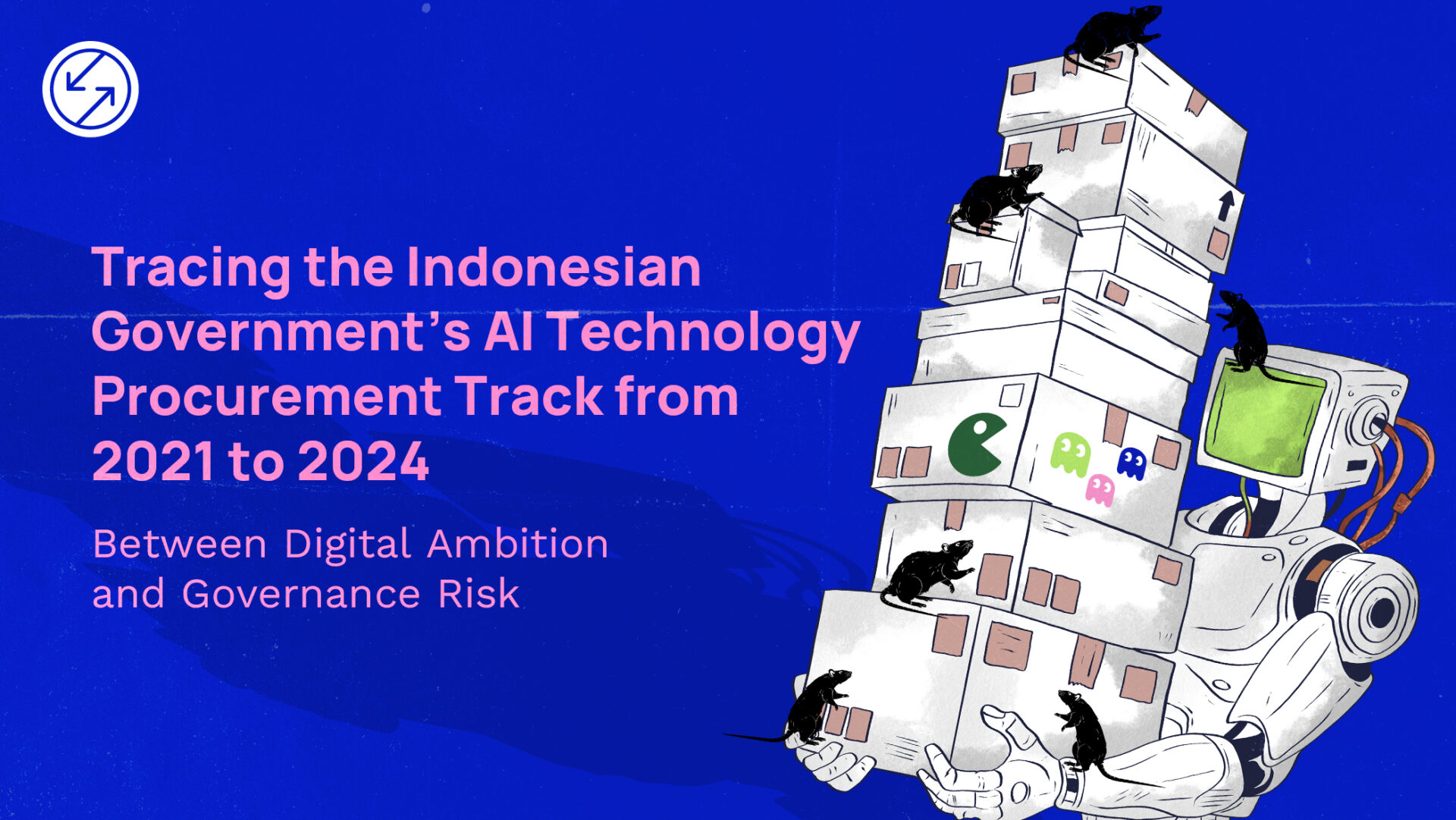
The research, presented during a session at DRAPAC25 last August, was driven by the finding that the Indonesian government allocated IDR 75 trillion to accelerate digital transformation between 2019 and 2022.
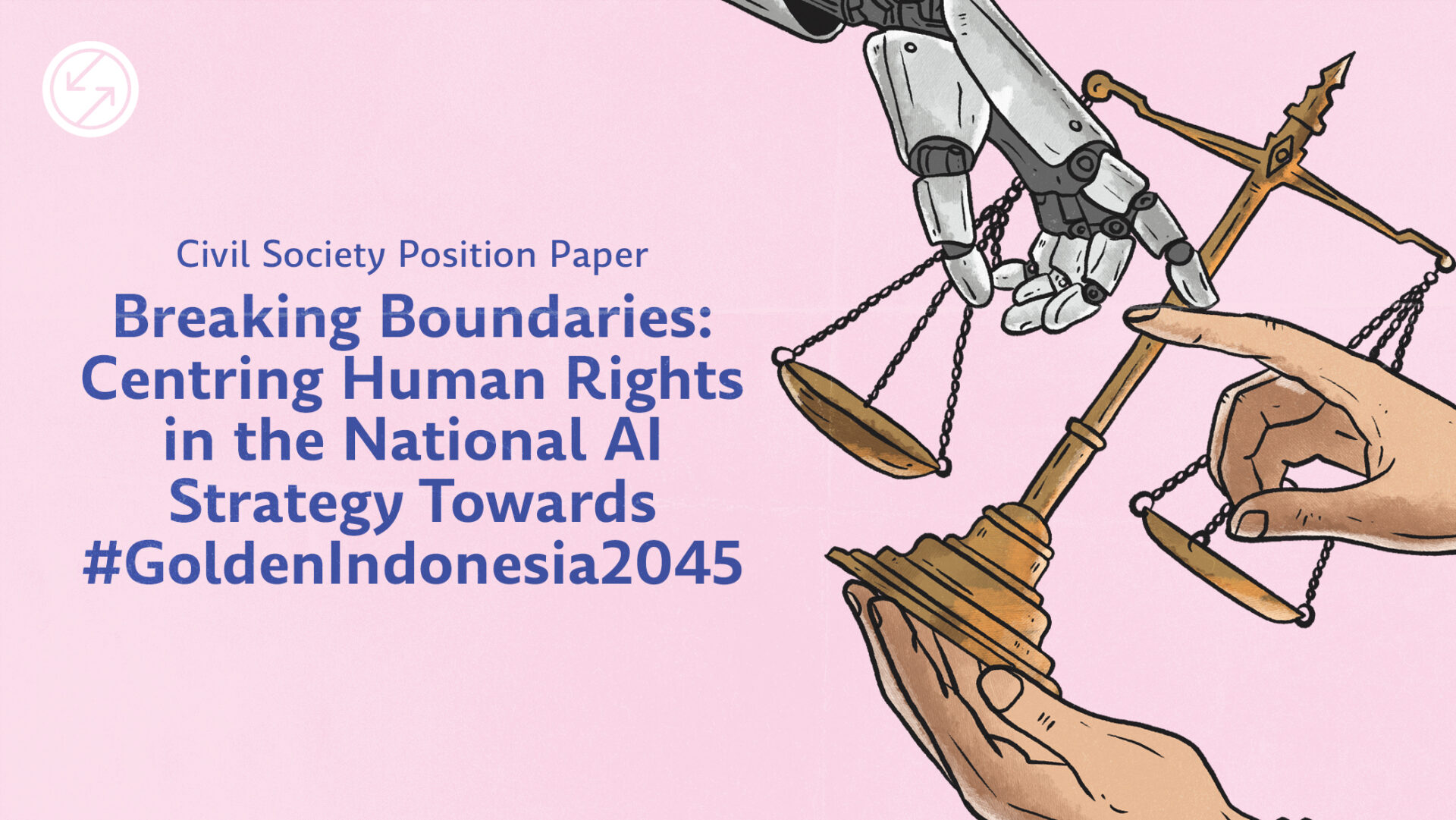
Centralizing and strengthening human rights protection in AI strategies has been outlined in a position paper prepared by Parasurama Pamungkas and colleagues from other civil society organisations. The paper is intended to serve as the official strategic recommendation from the CSO network to the National AI Roadmap Working Group under the Ministry of Digital Communications (KOMDIGI).
Pemantauan media merupakan salah satu inisiatif EngageMedia dalam menghimpun laporan publik mengenai insiden Akal Imitasi (AI) untuk memahami bagaimana AI berdampak pada masyarakat. Inisiatif ini menghimpun dan menganalisis insiden AI yang berhubungan dengan kepentingan publik serta berdampak pada individu/grup kecil/usaha kecil dan menengah (UMKM). Secara umum, terdapat sebanyak 29 insiden yang diduga diakibatkan karena penerapan AI terjadi sepanjang 2022-2024.
Day 3 of EngageMedia's workshop delved into the latest developments in AI governance globally and policy initiatives in Indonesia and Malaysia.
EngageMedia is seeking qualified research associates from Malaysia, the Philippines, India, Pakistan, and Sri Lanka to contribute to a comparative analysis of environmental information control regimes in Asia-Pacific.
A critical step towards building a comprehensive understanding of how human rights defenders (HRDs) across Asia-Pacific access, use, and experience digital technology designed to protect them