Around the world, one in every three people has no reliable access to the internet. Unequal access to the internet creates digital divides that can limit civic participation, undermine access to education and healthcare, and deepen inequality. It can also reduce innovation, industrial growth, and economic output. Reducing digital divides is recognized as essential for progress on the UN’s Sustainable Development Goals, as reaffirmed by the more recent Global Digital Compact, 2024. However, this goal could be threatened by the controversial…
The period from May to July 2026 saw increased moves to limit internet usage, further curtail media freedom, and impose broader surveillance measures on the general public.
This exploratory study by researcher Arul Prakkash, in coordination with Sinar Project, examines how shared infrastructure is currently put in practice within civil society and identifies key needs, challenges, and risks around long-term sustainability and resilience.
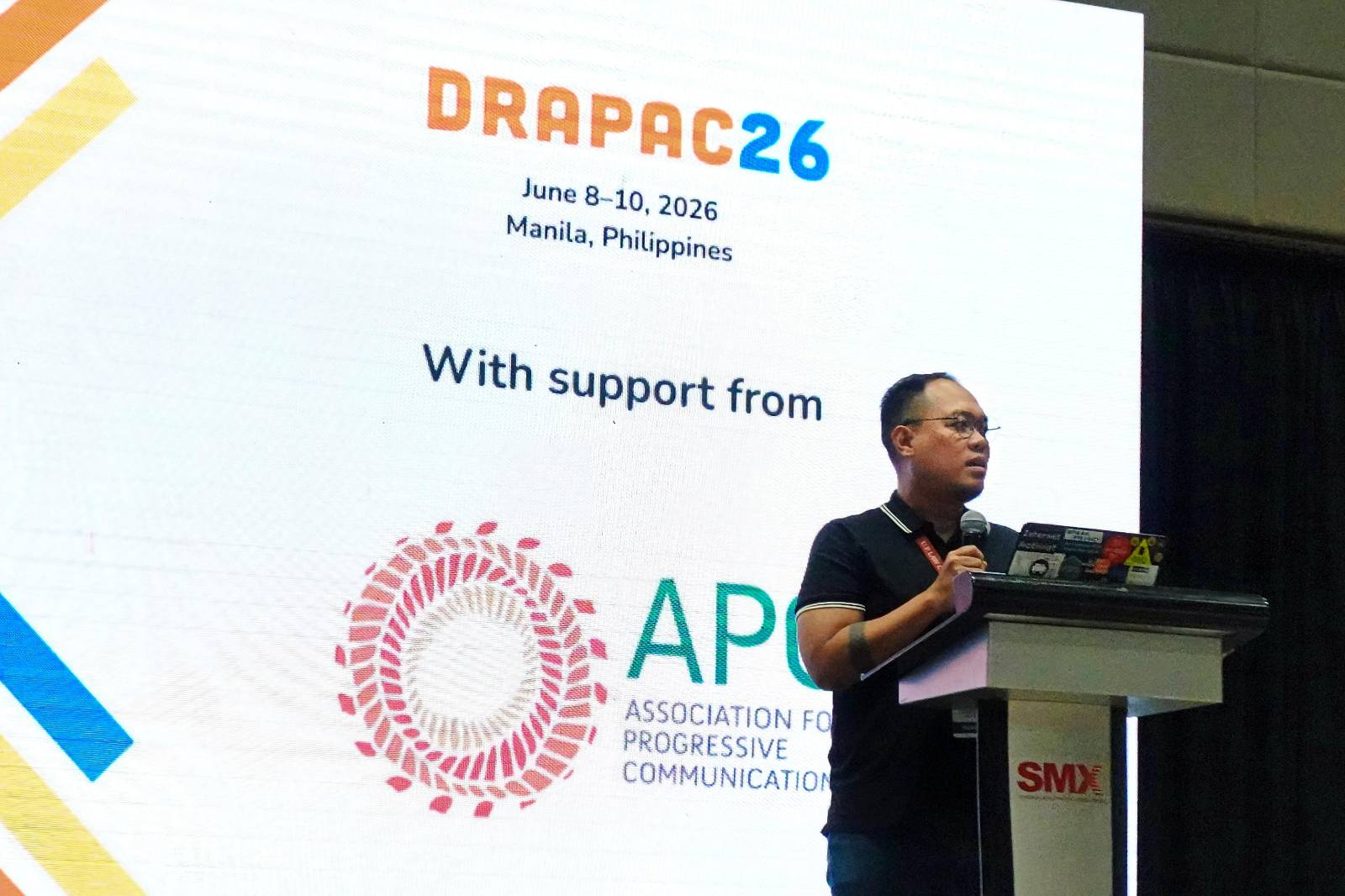
On day 2 of DRAPAC26, Foundation for Media Alternatives Legal and Policy Advisor Jamael Jacob argued that a digital rights movement that is content with surviving – with resilience – will not transform the conditions that make survival necessary. Rather, it is resistance – and the refusal it gives rise to – that creates the conditions for lasting change.
The 2026 Digital Rights Asia-Pacific Assembly is just one week away, bringing together over 500 human rights defenders, activists, policymakers, technologists, academics, and more from across the regional digital rights movement. DRAPAC26 in
In this edition, covering February 2026 to April 2026, it can be observed that the junta continues to enact new laws to justify further online surveillance, internet shutdowns and other forms of digital repression.
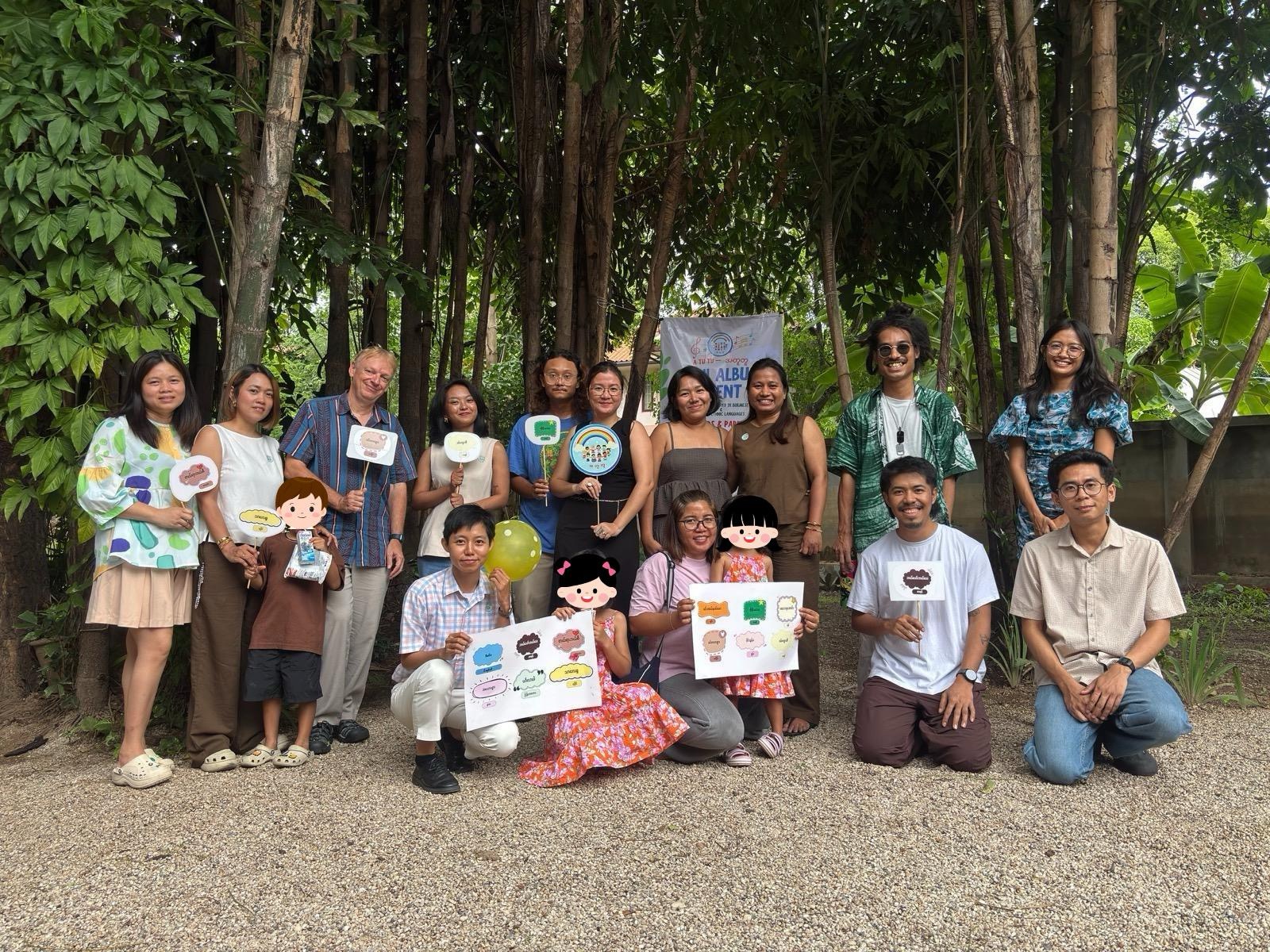
The Songs for Harmony team, formed under the Digital Spaces for Dialogue project, co-created the songs in the mini album which explores themes of kindness and social harmony through music and storytelling.
Drawing inspiration from the Filipino spirit of bayanihan, DRAPAC26 is co-owned and co-led by a coalition of organisations with years of experience advancing digital rights across the Philippines and the wider region. Get to know the organisations behind DRAPAC26.
After much anticipation and deliberation, the 2026 Digital Rights Asia-Pacific Assembly (DRAPAC26) programme is now live on our official website. DRAPAC26 takes place in Manila on June 8 to 10, 2026, co-hosted by
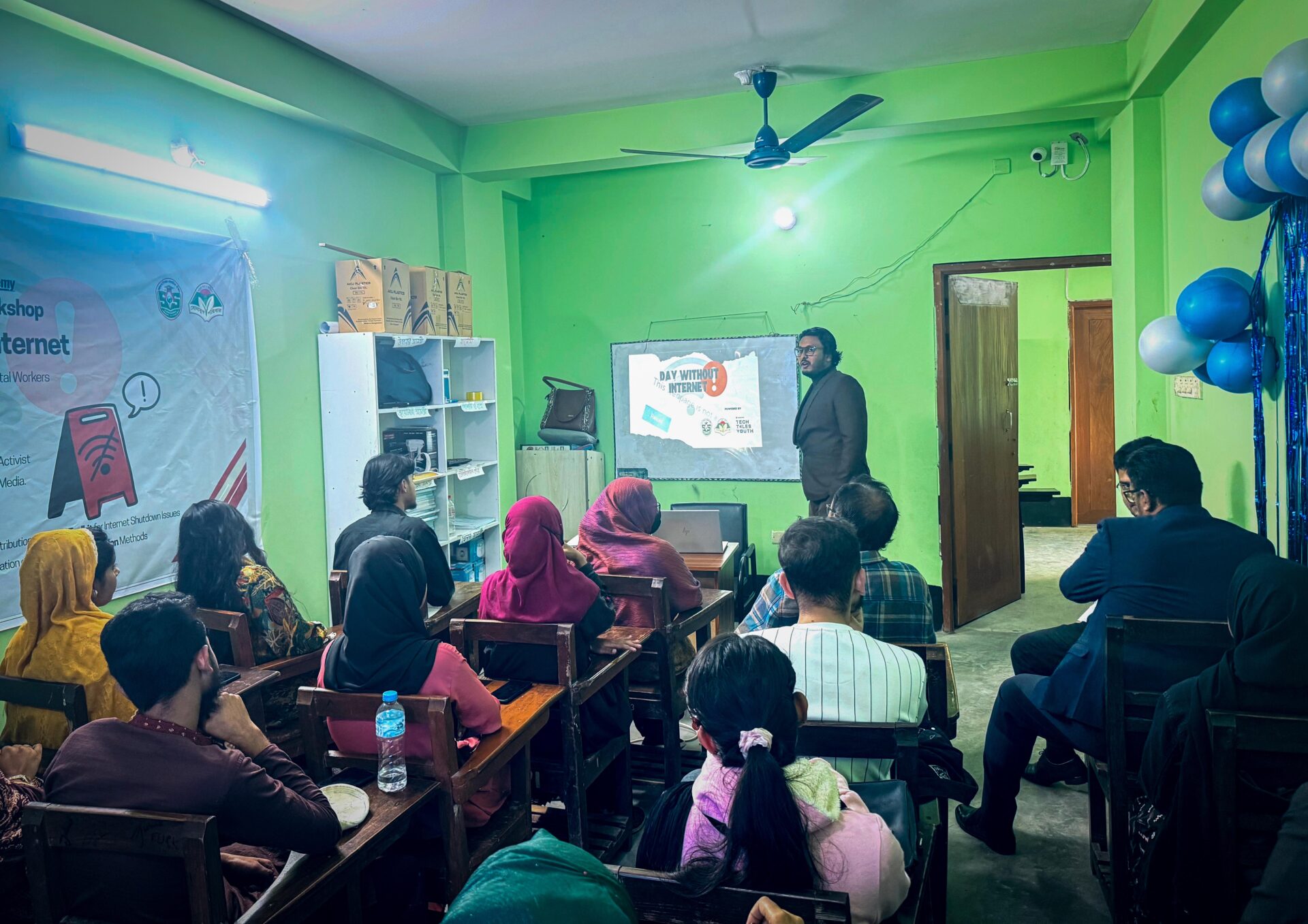
On a July morning in 2024, Bangladesh’s internet went dark. This was no minor inconvenience. For freelancers, digital entrepreneurs, students, and families, the shutdown severed access to income, safety, and community. It underscored a deeper reality: internet shutdowns in Bangladesh are not technical disruptions, but assaults on rights and livelihoods, disproportionately impacting working-class communities and gig workers.