Note: Registration is now required to join the conversation. Date and Time: October 30, 10:30 AM – 12:00 PM Bangkok time (UTC+7) Room: Zoom (to be emailed to registrants prior to the event)
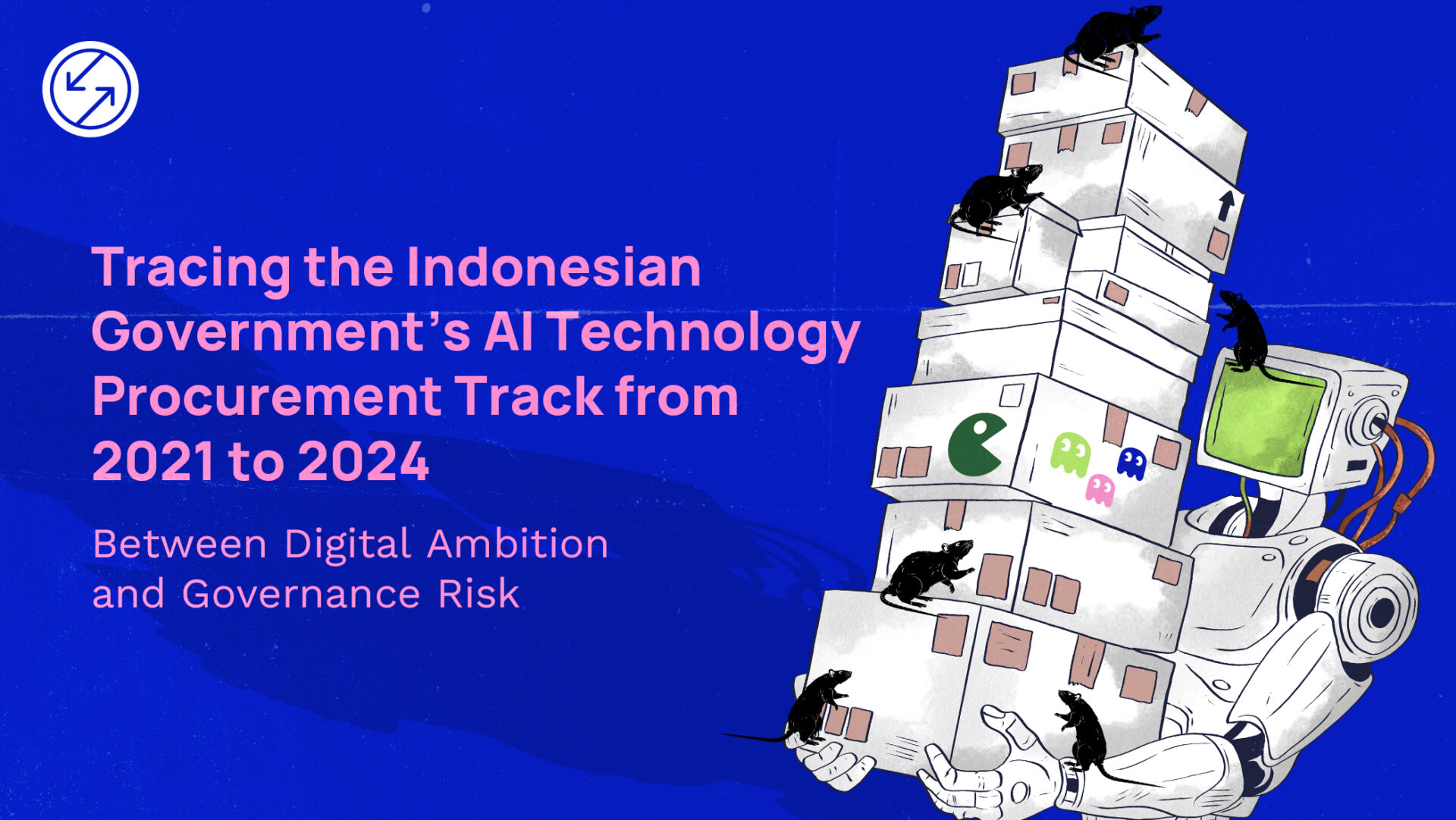
The research, presented during a session at DRAPAC25 last August, was driven by the finding that the Indonesian government allocated IDR 75 trillion to accelerate digital transformation between 2019 and 2022.
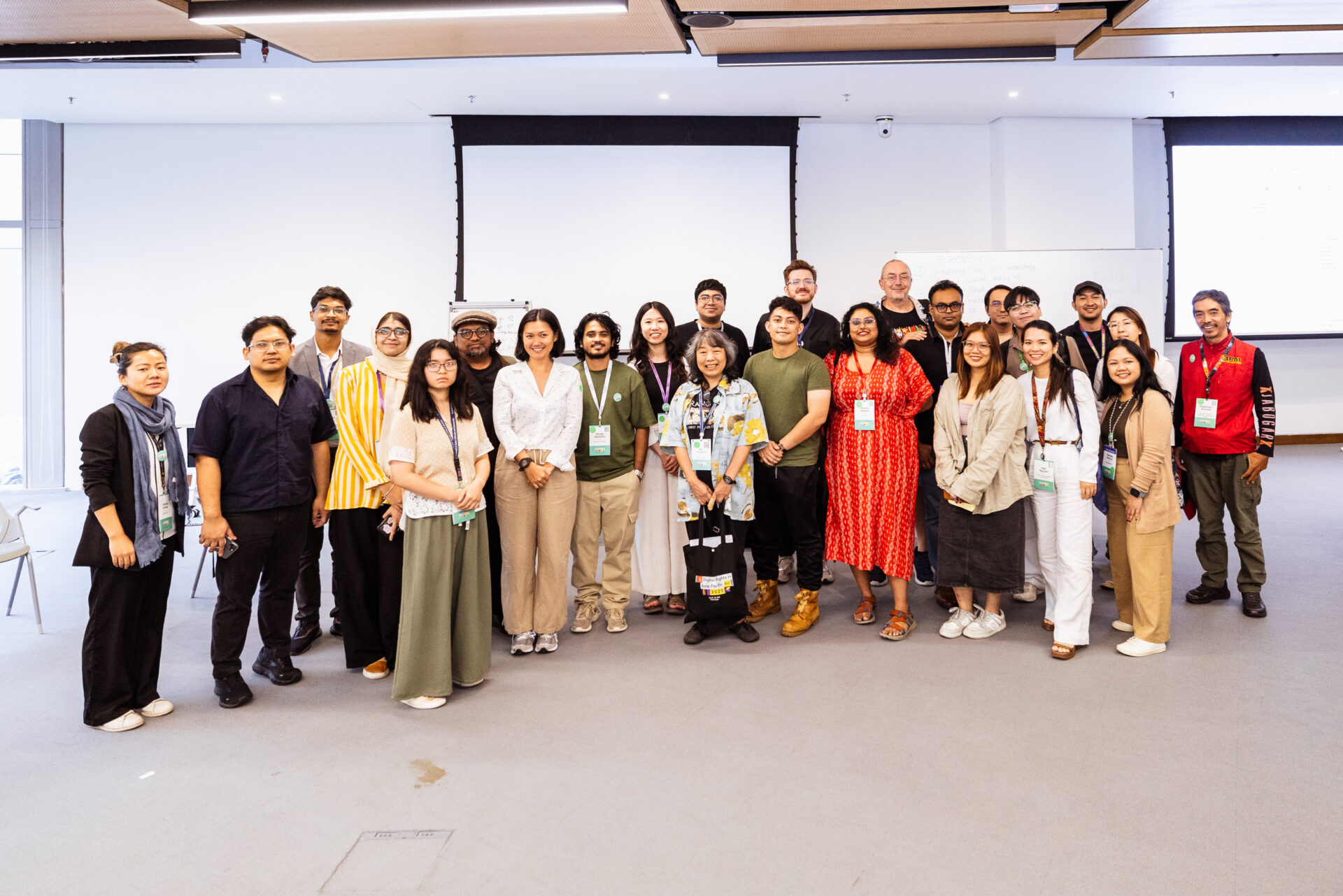
With more than 25 participant-driven sessions, the camp served as a space for skills-building, knowledge-sharing and collaborative problem-solving where participants explored open-technology solutions.
GUEST POST: DRAPAC25 was a timely opportunity to build on two of Vietnam Rise's recent focuses. Given our recent endeavours, I spent my time at DRAPAC25 attending sessions that addressed tech-related abuses to democracy in Southeast Asia, resourcing solutions amidst rising authoritarianism, and networking with other Southeast Asian activists in the tech space.
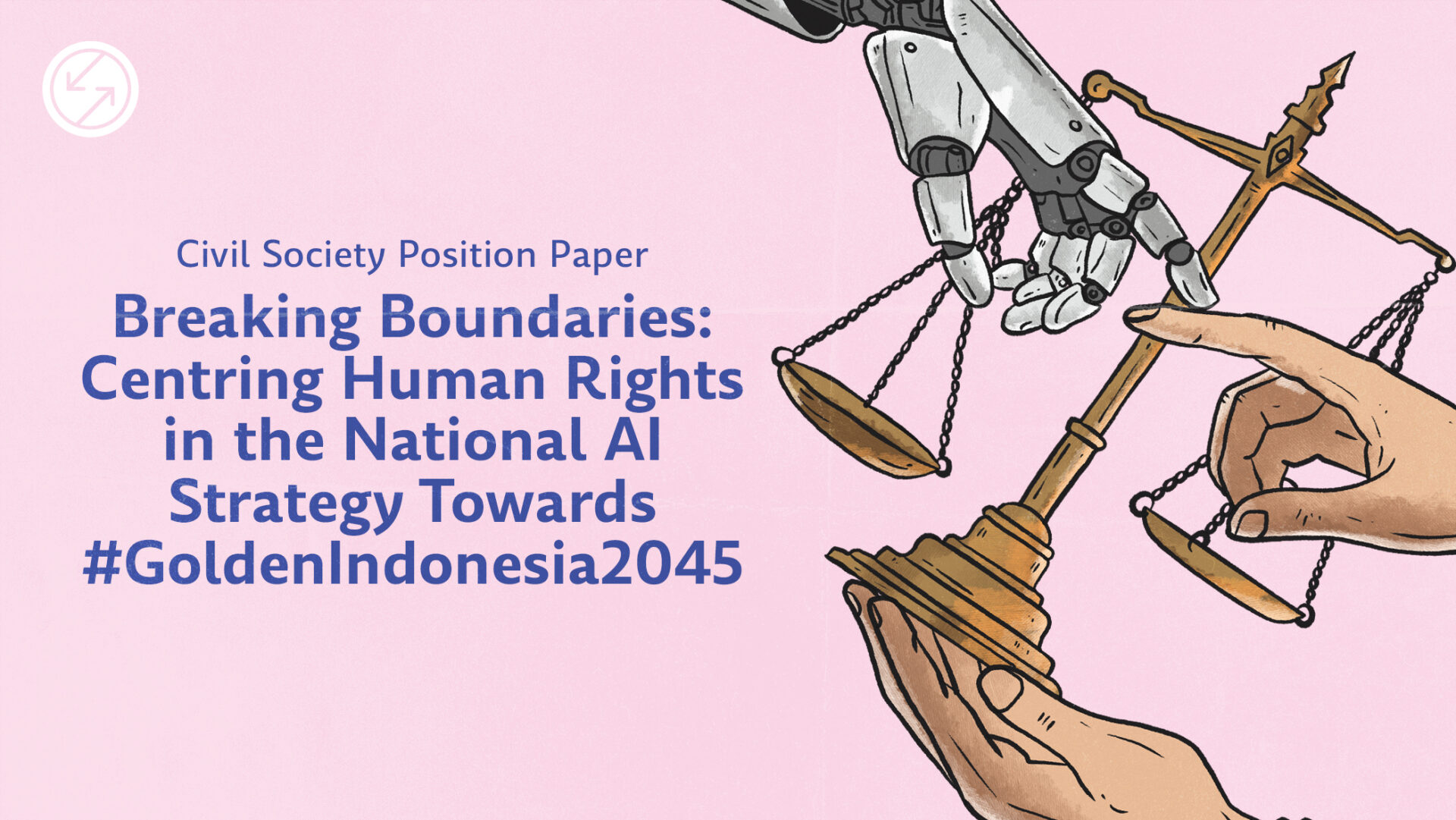
Centralizing and strengthening human rights protection in AI strategies has been outlined in a position paper prepared by Parasurama Pamungkas and colleagues from other civil society organisations. The paper is intended to serve as the official strategic recommendation from the CSO network to the National AI Roadmap Working Group under the Ministry of Digital Communications (KOMDIGI).
Meet the powerhouse organisations behind this year's Digital Rights in Asia-Pacific assembly, each contributing specialised expertise to drive diverse conversations that will shape our region's digital future.
Among the repressive actions that occurred between May and July 2025 were familiar patterns such as internet shutdowns, control over press freedom, and arrests for online expression. Surveillance and arrests were increasingly conducted through the use of the Person Scrutinization and Monitoring System
'Mapping the Currents: A Manual for Community-Centered Cinema' is a practical, community-rooted resource developed from the experiences of Cinemata Currents 2025. It brings together curatorial reflections, case studies, and tools to support organizers, film collectives, and civil society groups in harnessing the power of film to foster civic dialogue, regional solidarity, and grassroots storytelling.