The use of Artificial Intelligence (AI) is becoming increasingly widespread and varied, while society continues to face the adverse effects it generates. In 2026, we recorded at least 33 AI-enabled incidents affecting nine different demographics over the course of a single semester. Examples of these cases include issues regarding safety and security (4 cases), algorithm-based labour exploitation (5 cases), and restricted access (6 cases), among others.
Methodology & Taxonomy Updates in MMAAII 2026
The MMAAII (Incident Media Monitoring, Analysis and Accountability Initiative), established by EngageMedia in 2025, continues its work in documenting and analysing trends in incidents involving AI and developing technologies in Indonesia, and assessing the damages and losses caused by these incidents. This year, we’re introducing a brand-new website to host the incident reporting and analysis, which can be accessed via mmaaii.engagemedia.org. Various groups, including policymakers and the broader public, can use this link to comprehend the impact of AI and emerging technology in Indonesia. The website will be periodically updated every semester (January and August each year).
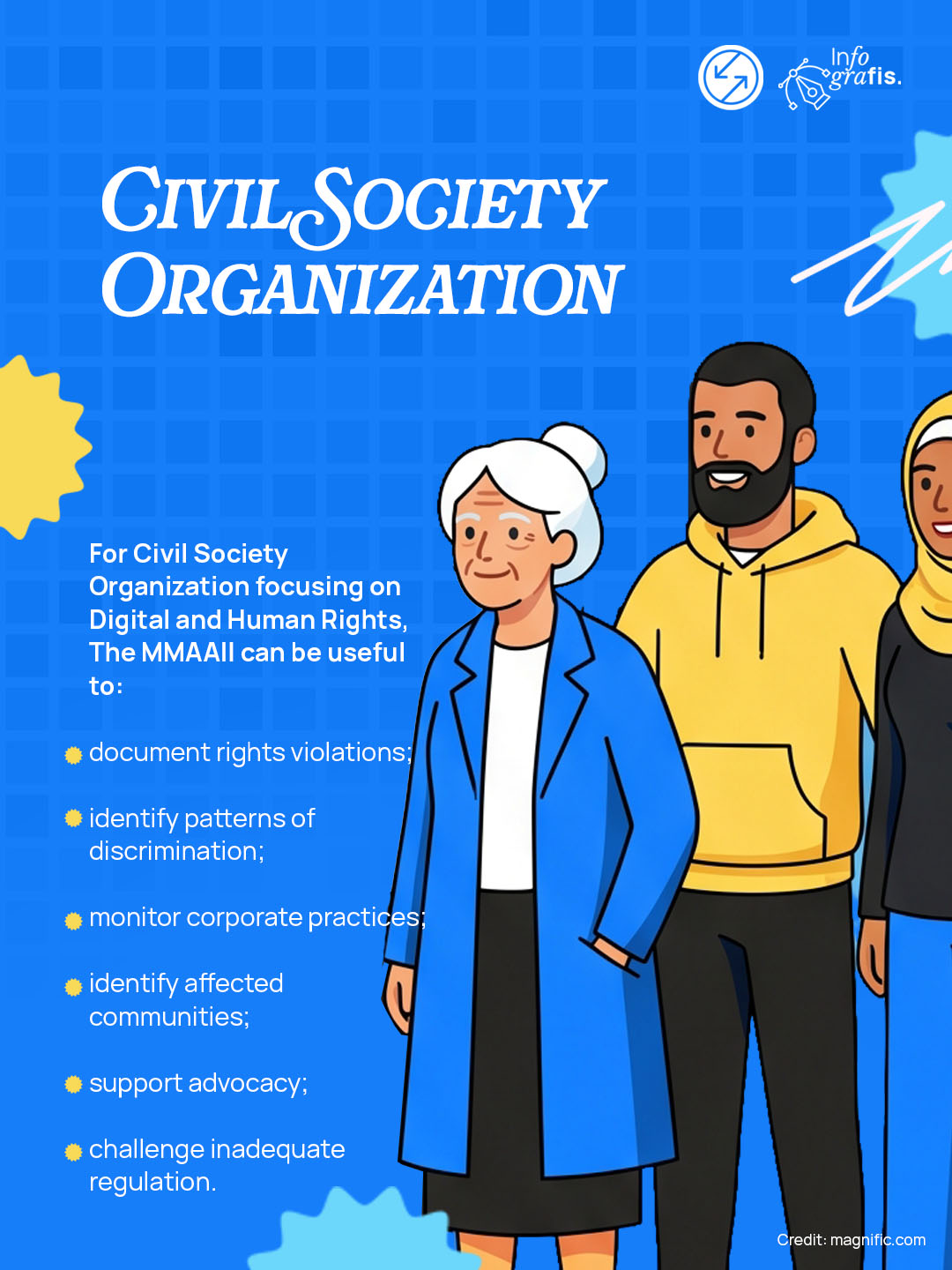
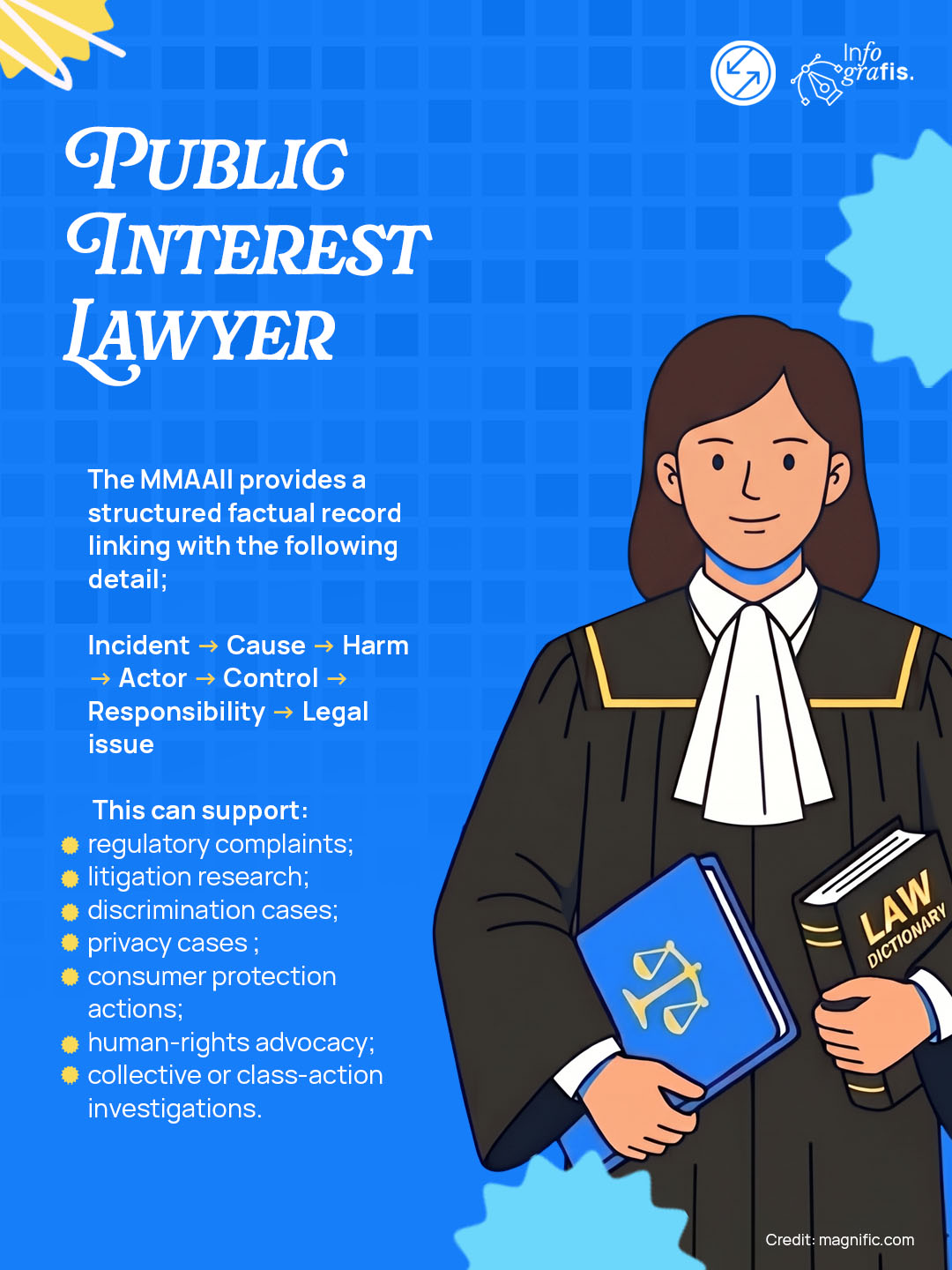
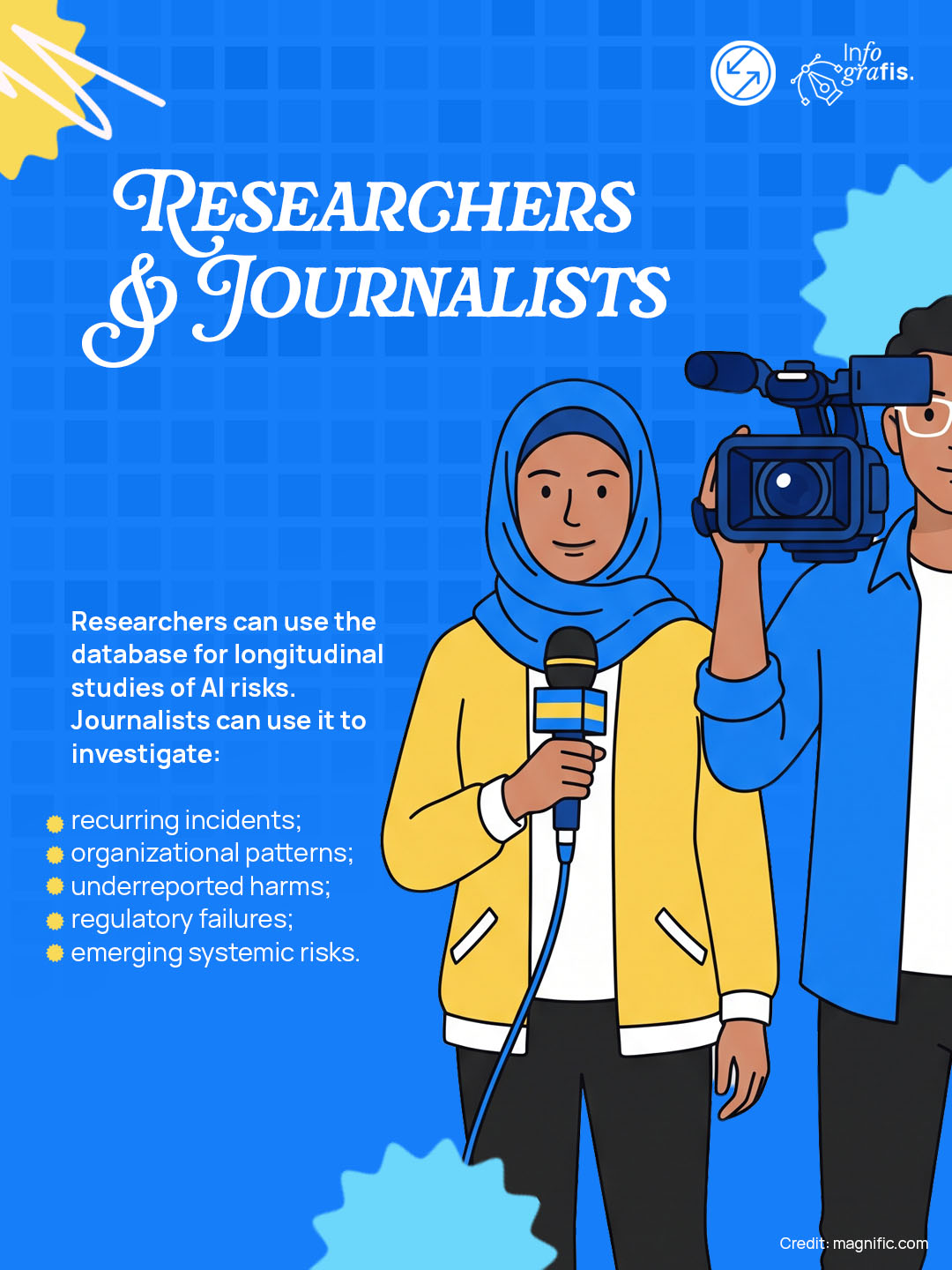
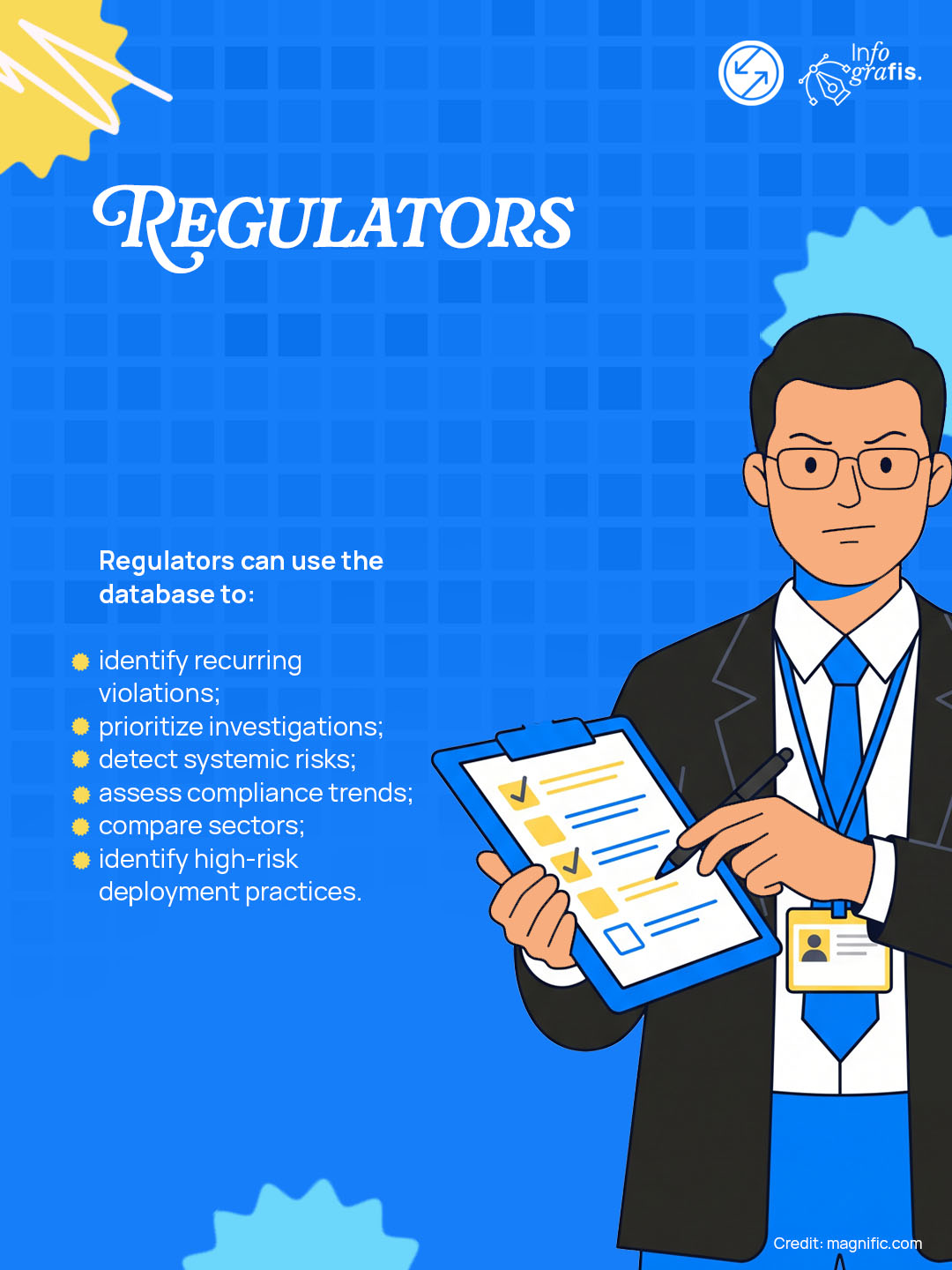
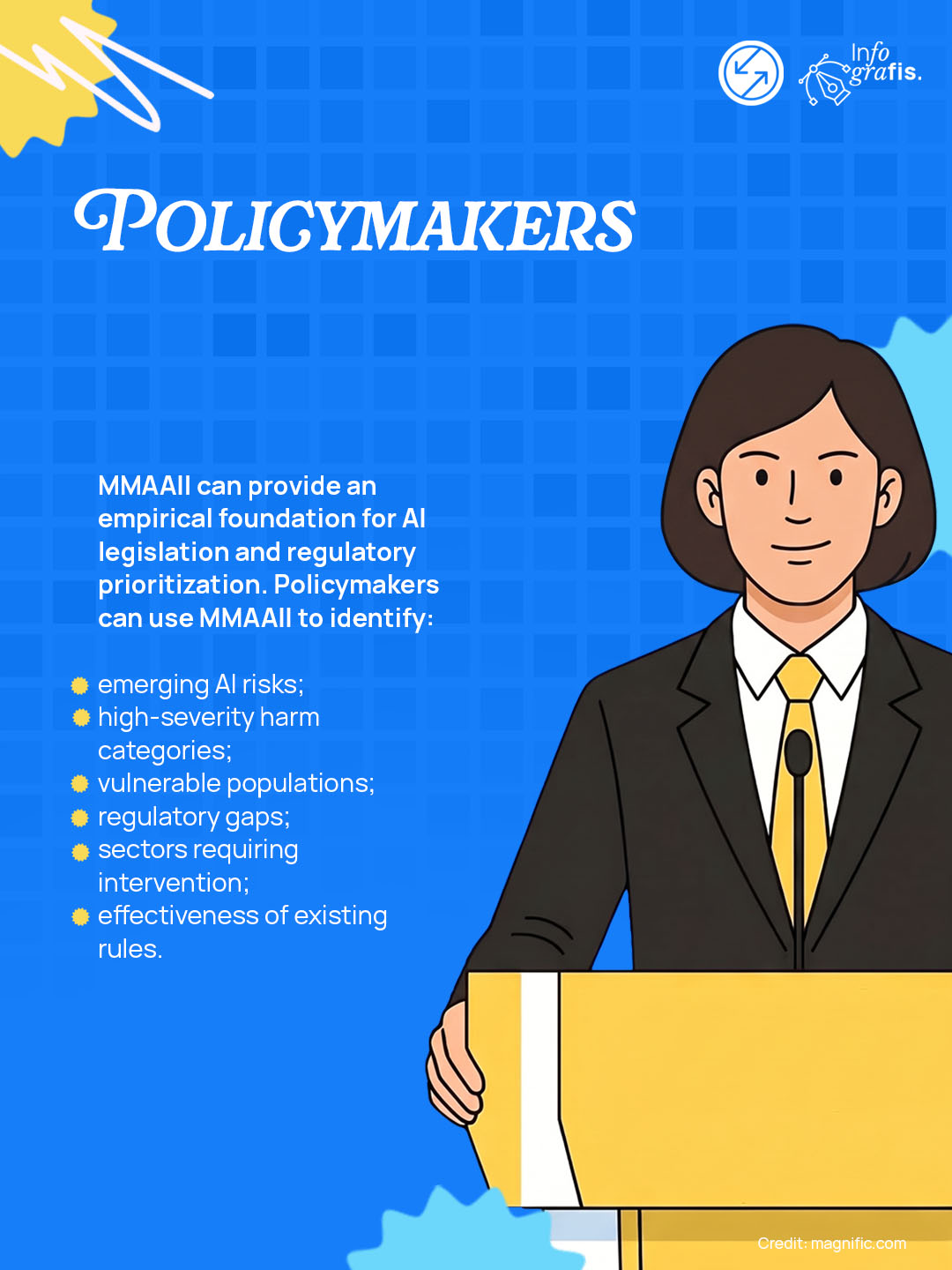

Our methodology has also been updated to incorporate a multi-dimensional approach grounded in tangible evidence concrete taxonomies specifically tailored to the AI technology lifecycle. This methodological upgrade seeks to make sure that AI incidents aren’t just recorded as AI system failures, but also to set up a system that can answer these seven important questions:
What happened? → Did AI play a role? → Why did it happen? → What AI risk does it represent? → What was the impact? → How severe and widespread was the impact? → Who is responsible or in control?
The methodological updates we have implemented include:
- A structured and interconnected documentation system. Our current documentation covers an incident’s causes, impacts, involved actors, victims and/or affected communities, and relevant policies. This provides a more holistic view of the documented incidents and is expected to support the mapping of contexts, patterns, and connectivity while enriching case examples for various stakeholders.
- In addition, MMAAII has updated several taxonomic classifications. The Harm Taxonomy for 2022–2025 previously relied on a combination of taxonomies from three sources: the OECD (2024), AIAAIC (2024), and CSET Georgetown (2023). We have now developed and are continuing to refine a more contextual harm taxonomy tailored to the legal framework and situation in Indonesia. This classification is based on rights protected under the 1945 Constitution (as amended), Law No. 39/1999 on Human Rights, and other related regulations.
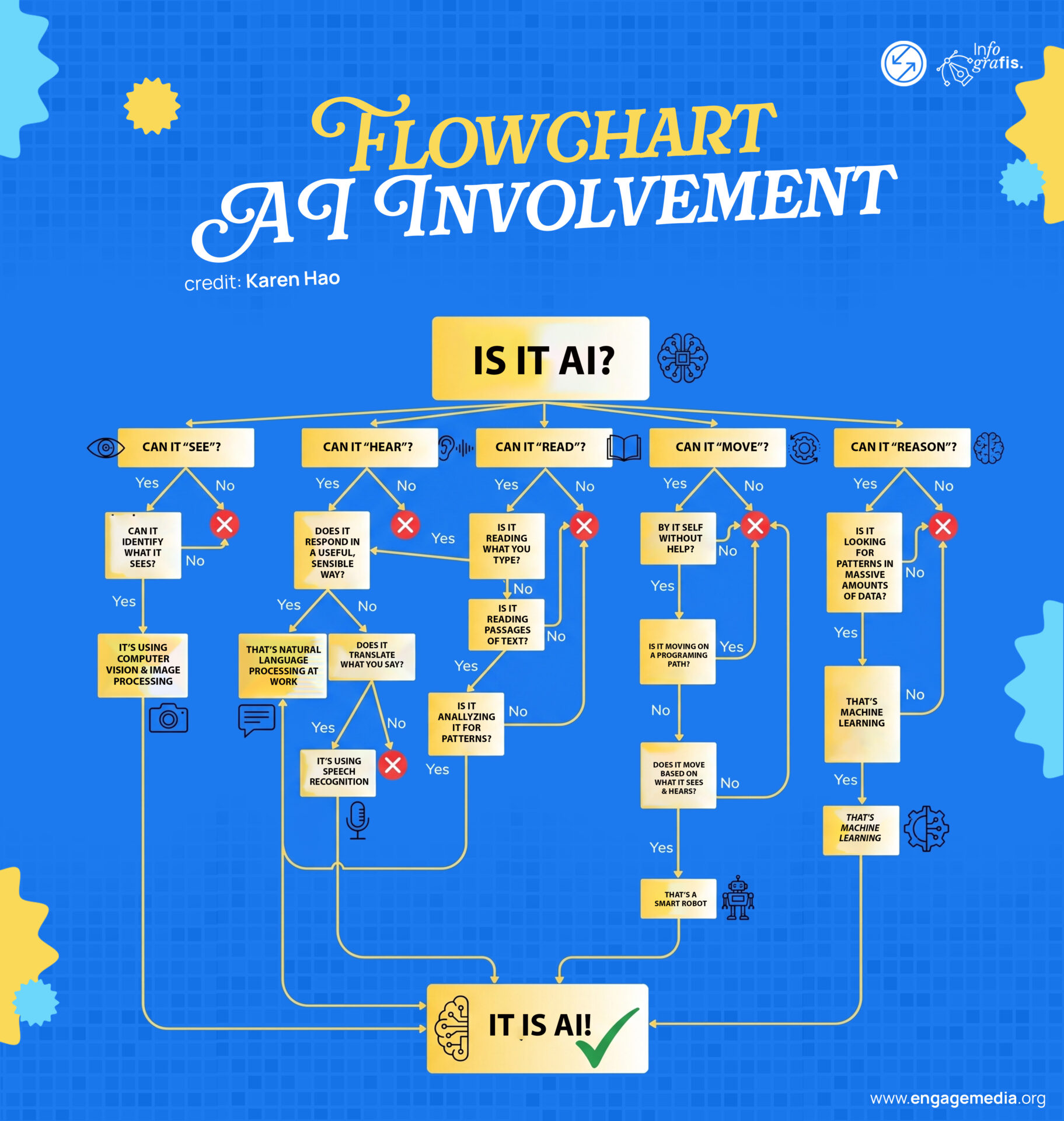
- We currently utilise the AI involvement decision-making flowchart developed by Karen Hao to help categorise whether an incident involves AI or other emerging technologies. This allows us to distinguish between standard technology-related incidents and those fundamentally caused or facilitated by AI and its infrastructure.
EngageMedia continues to collaborate with various experts to refine the MMAAII taxonomy. We welcome input, criticism, and questions regarding our classification of specific incidents. We invite those interested in reporting or researching these incidents and our taxonomy to visit mmaaii.engagemedia.org.
Incidents in Public & Private Sectors
Integration of AI and developing technologies is continuing to permeate numerous public sectors, according to the EngageMedia report regarding AI procurement (2025) and mapping in TIFA Foundation research (2026).
The National Social and Economic Single Data (DTSEN) case has received a great deal of attention. This system serves as a baseline for determining who is eligible for social assistance, organising development programmes, and making policies based on demographic distribution based on family welfare levels, which are assessed using a decile system. Last February, the classification of government aid recipients based on changes to DTSEN’s decile system resulted in thousands of underprivileged people losing access to the Healthcare and Social Security Agency (BPJS), including low-income participants known as contribution assistance recipients (PBI). As a result, many people are unable to seek treatment and continue critical care for their chronic illnesses.
The establishment, development, and operation of AI-supporting infrastructure also contributes to incidents. For instance, in February 2026, reports emerged claiming that hackers had leaked the data of 58 million Indonesian students. Hackers have freely traded academic identity data, parental profiles, precise locations of residence on Google Maps, and physical conditions on the DarkForums hacker forum. The alleged perpetrator, under the pseudonym “SN1F”, sold old data files and offered a “special channel” that allowed buyers to extract real-time student data directly from government servers. Not long after, in April 2026, online monitors for the DarkForum site again claimed the latest leak from the BIMA Indonesia (Directorate General of Science and Technology) system. The leaked data consisted of sensitive information—academic and personal—belonging to lecturers and educational staff at various universities in Indonesia.
We are under the belief that these two incidents involved agentic AI because the method of theft was not regular data extraction, but rather extraction via an API/database in the form of a structured response format. Proof of this method is clear from the existence of specific data attributes such as “GMAPS LOCATION” (for zoning) and student physical data, which are not available in the general population database (Dukcapil). To date, the government has only responded to this report with a denial, without informing the public of the methodology and investigation process carried out.
The Impact of AI Incidents on Various Demographics
Acts of sexual violence using AI assistance, such as the creation of non-consensual intimate content (NCII), have also affected many victims. One of them is a citizen journalist, Afina Syifa Biladina, who became the target of online terror after she exposed the extent of damages in Aceh Tamiang and criticized the lack of assistance from the government following the flash floods in Sumatra in November 2025. After publishing her video, she was sent thousands of NCIIs containing AI-generated nudity using her facial likelihood. In addition to being attacked by buzzers, there are also random accounts posing as her father that are used to terrorise her colleagues.
In the case of algorithm-based labour slavery, the Center for Digital Society (CfDS) found that the use of algorithms in running e-hailing systems in Jakarta and Gunungkidul had a direct impact on the welfare of e-hailing drivers. They are made to work up to 12 hours a day just to reach their respective regions’ minimum wages. Reports indicate that e-hailing drivers have experienced illness and death multiple times due to lack of sleep, fatigue, and hunger resulting from unrealistic working hours and wages.
In a viral post on Threads in March 2026, an anonymous driver also revealed the reality of the e-hailing business process. He alluded to unrealistic algorithm-based incentive programmes, disproportionate automatic penalties for drivers, and a rating system that discriminates against both drivers and customers. According to him, all of these issues cause a decrease in the quality of service and welfare of drivers.
The several examples of AI incident cases above clearly show that the use of AI in the private sector has multi-layered impacts on the affected victims and therefore requires special attention by various parties, especially policymakers.
This work is translated from its original Indonesian counterpart by Marina Nasution, with Illustrations made by Amry Al Mursalaat.